Beginning
September 2025
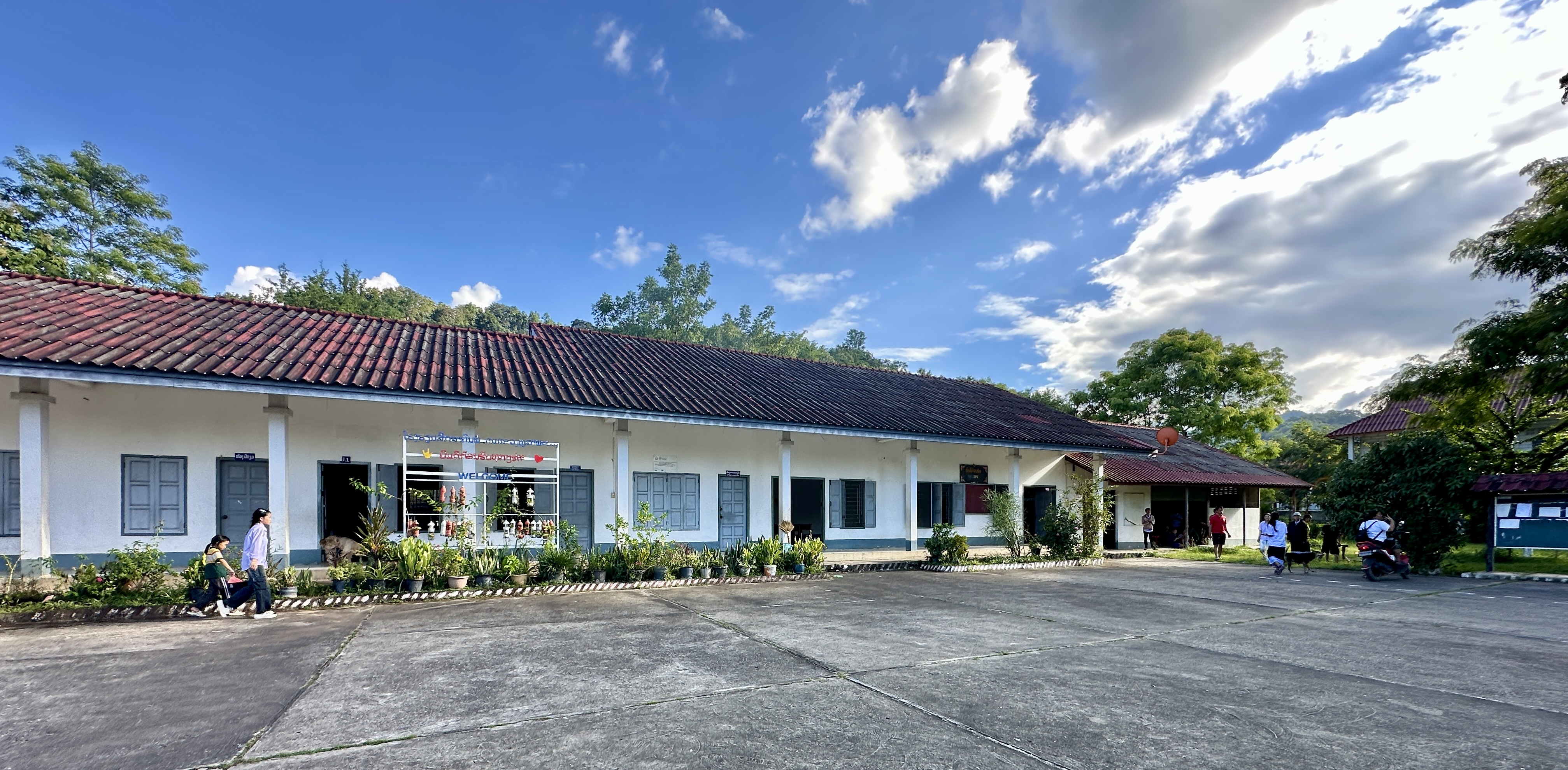
In September 2025, Julie visited the School for the Deaf in Luang Prabang, Laos. During that visit, she met staff and students whose warmth, resilience and sense of community left a lasting impression.
Why · Who · What
A reflective account of how Focus Matters began, who is connected to the work, and what the mission hopes to support.
Beginning
In September 2025, Julie visited the School for the Deaf in Luang Prabang, Laos. During that visit, she met staff and students whose warmth, resilience and sense of community left a lasting impression.
“Although our languages and backgrounds were different, communication and connection were always present.”
Language Access
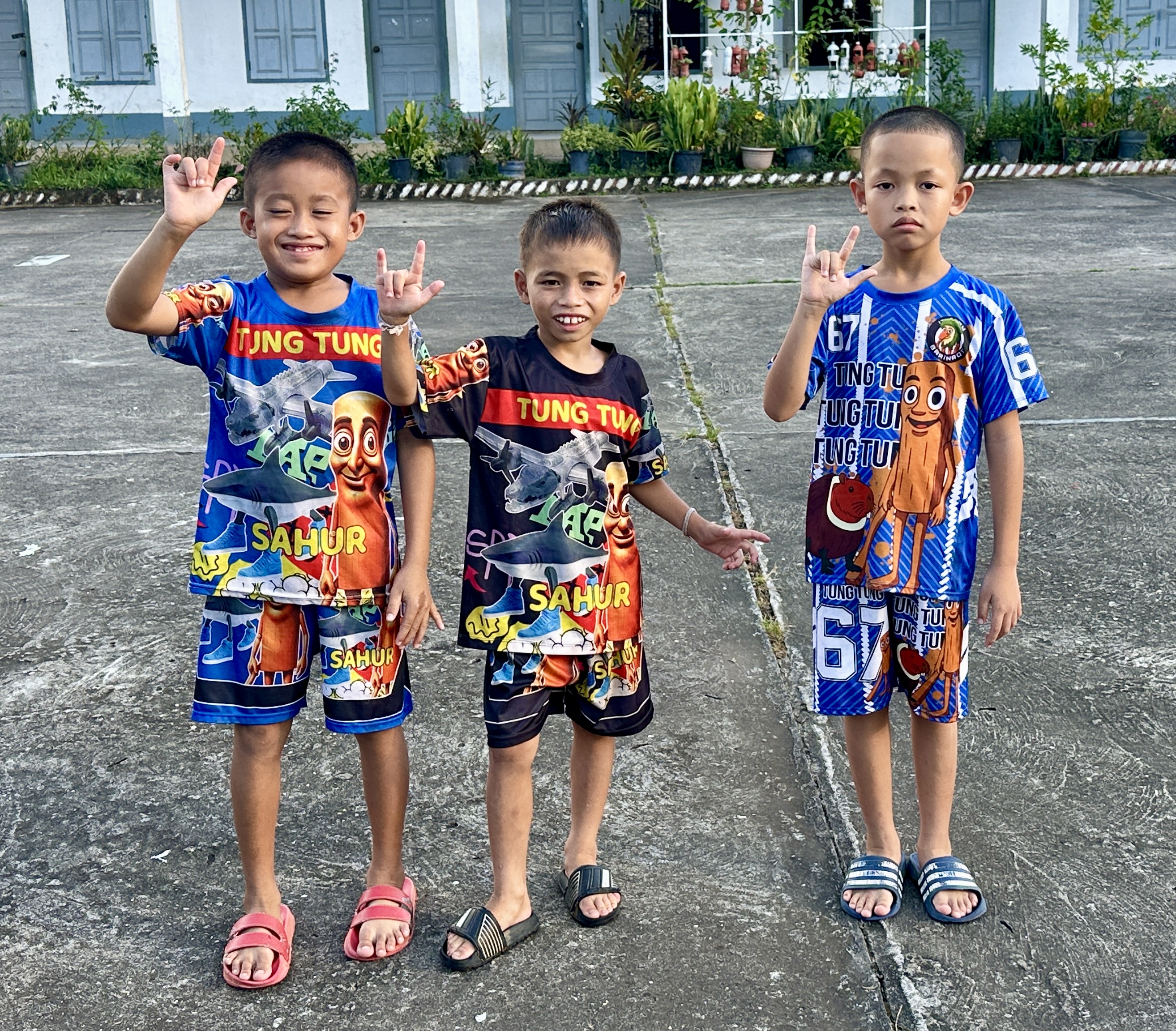
In Laos, many Deaf children begin school at around eight years of age, often after years with little or no access to early intervention or a fully accessible language environment. Some children may also remain outside the education system entirely due to delayed diagnosis, limited access to services, geographic isolation, poverty, or broader social and cultural barriers surrounding disability and deafness.
Because the Schools for the Deaf are boarding schools, children may arrive at school already carrying the effects of limited early language access and reduced opportunities for communication, interaction and learning during the early years.
This is one of the key reasons the PMM mission matters.
Early access to language is not a luxury — it is foundational to learning, identity, belonging and human connection.
When children do not acquire strong language skills in the first years of life, the impact can extend far beyond communication. It may affect cognitive development, including executive functioning and theory of mind, as well as social-emotional development, relationships, school readiness and later access to literacy and learning.
For school-age children, weak first-language foundations can make literacy and numeracy learning much harder. Delays in language and social-emotional development may also affect relationships with family members and peers, as well as self-identity and self-esteem.
Over time, the cumulative impact of limited early language access can contribute to poorer educational, social, emotional and health outcomes. In more serious cases, this pattern is increasingly recognised in discussions of Language Deprivation Syndrome.
This mission aims not only to better understand each child’s communication profile and support appropriate pathways to language, literacy, learning and connection, but also to strengthen awareness and collaboration around Deaf children who may not yet be connected with educational services.
Continuing Connection
Following her return to Australia, Julie stayed in contact with the school and continued conversations about ways to support ongoing connection and shared learning.
Partnership
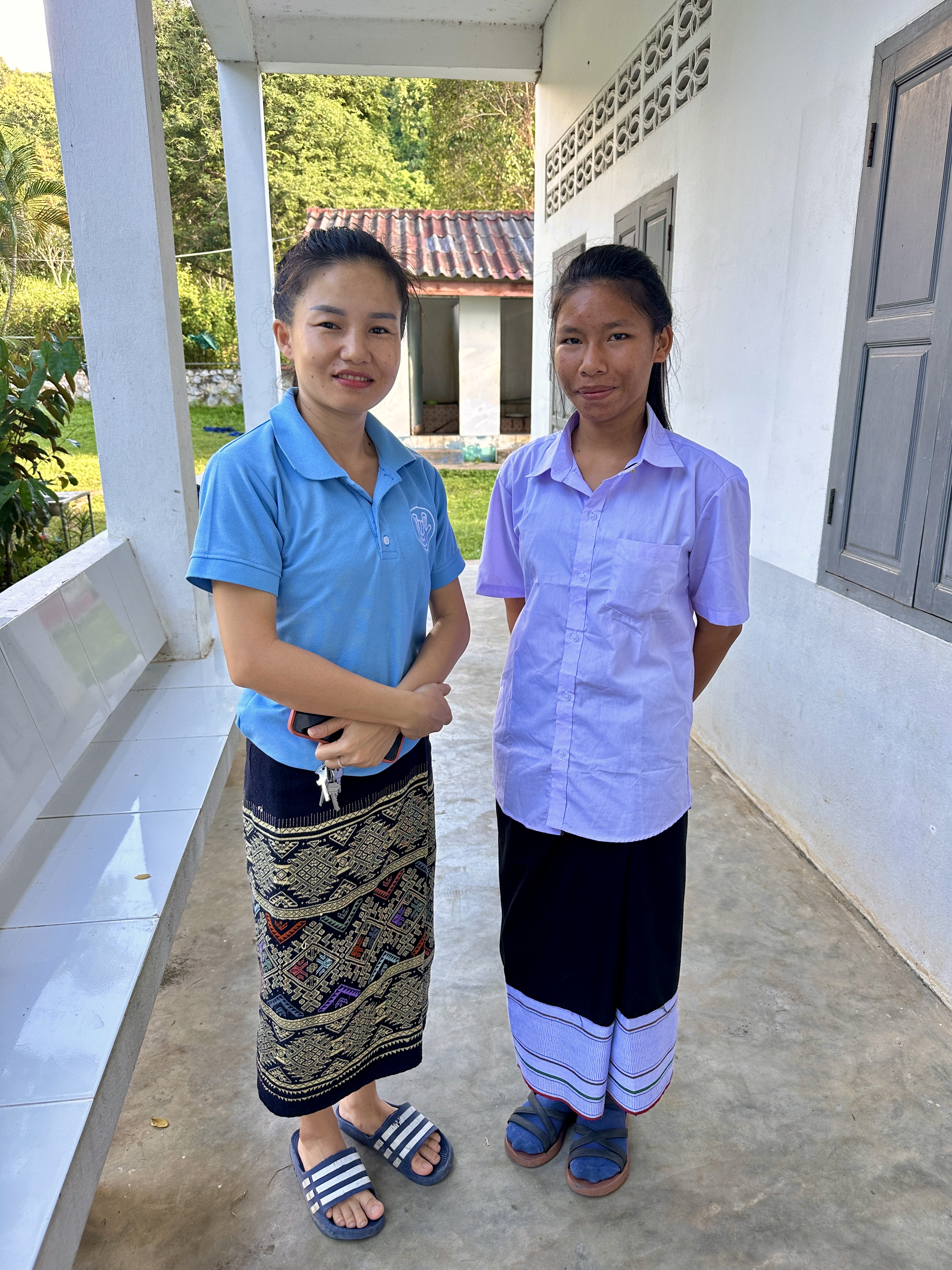
Through this process, Julie was introduced to the team from Peuples et Montagnes du Mékong, a France-based organisation supporting community and health initiatives in Laos. These conversations led to an invitation to join a future multidisciplinary mission team connected to the school and wider Deaf community in Luang Prabang.
“Language brokerage was a joy to observe.”
Language Brokerage
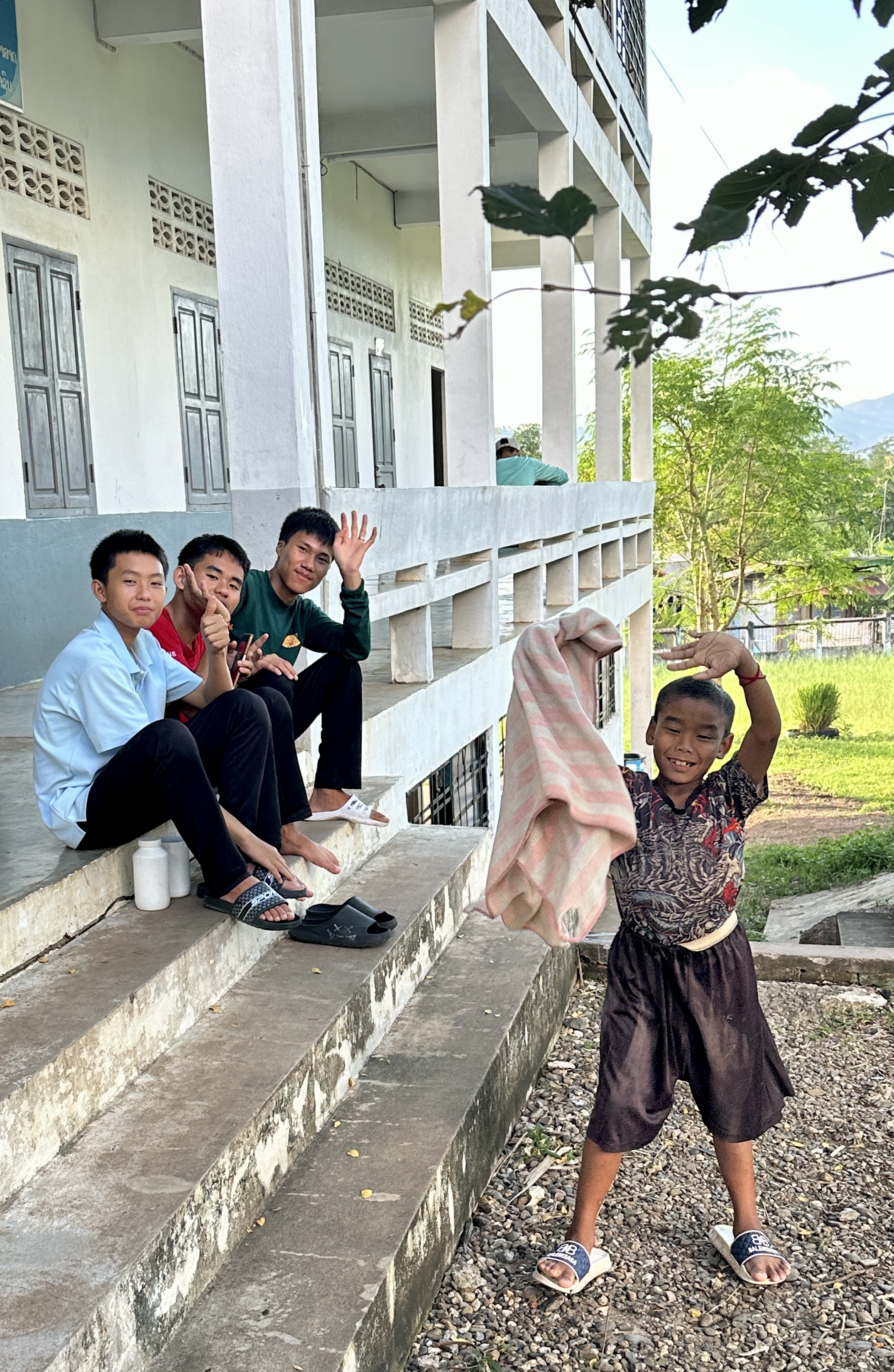
One of the most powerful experiences at the school was watching older students naturally interpret and scaffold communication for younger students and visitors. One student became my informal guide, showing me classrooms, introducing me to others and teaching me Lao Sign Language along the way.
Understanding Language Pathways
The mission aims to support communication, education, health and community connection. It includes profiling student communication and literacy pathways, considering whether children may access literacy through sign language, audition, or a combination of supports, and strengthening collaboration around children who may not yet be connected with educational services.
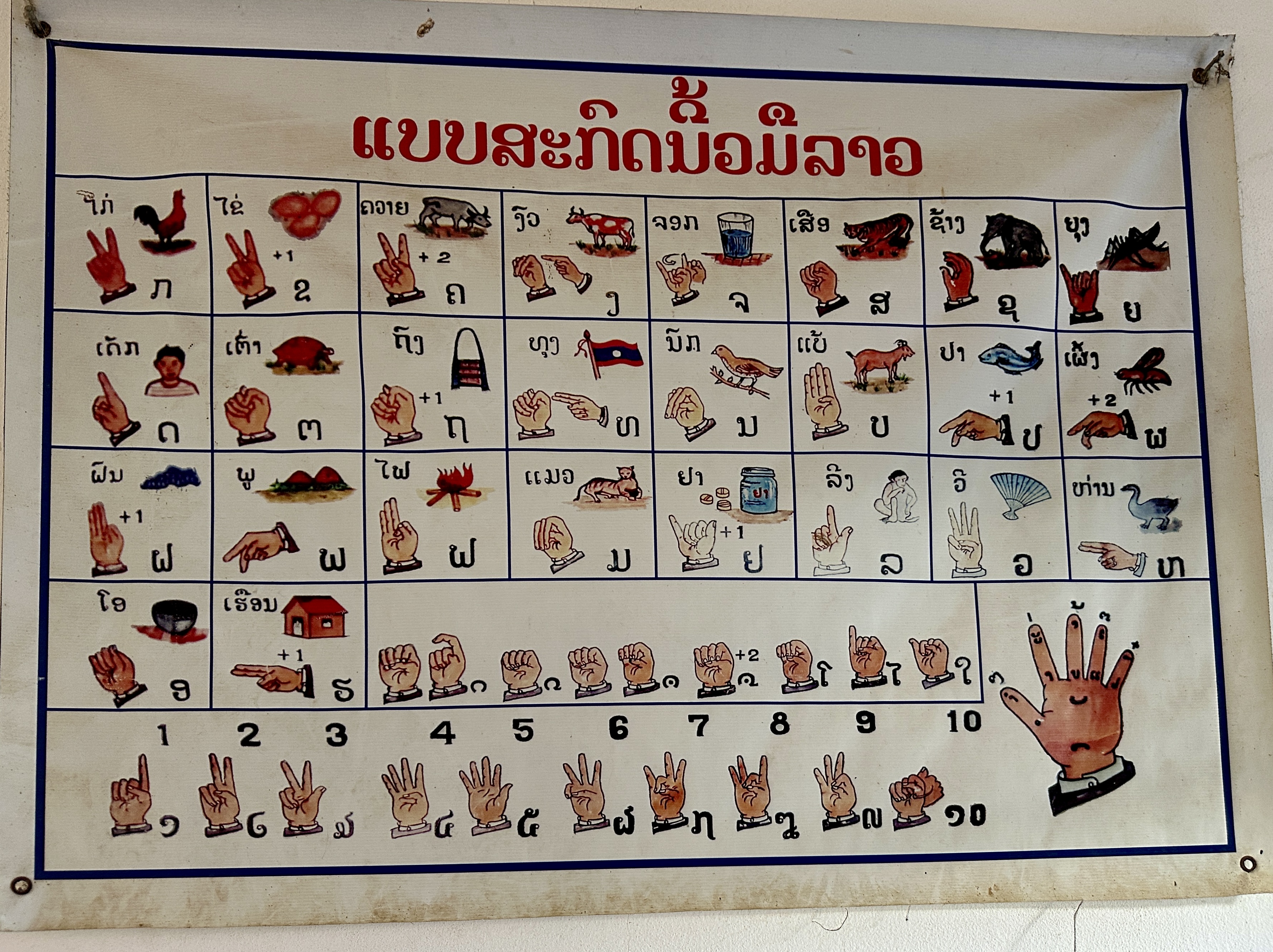
This work will help build a clearer picture of each child’s communication and literacy pathway, including the roles of sign language, audition, visual language, classroom access and family/community context.
Currently under consultation with the Laos mission team.






The MacArthur-Bates Communicative Development Inventories (MB-CDI) are internationally recognised tools used to understand early communication and language development. Since their formal publication in 1993, they have been adapted into more than 100 languages and dialects. As there was no Lao adaptation available, Julie sought permission and received advice to begin adapting this framework for the Lao context.
Trilingual language inventory and adaptation checklist for consultation and review.
Open DocumentTrilingual teacher/caregiver guidance sheet for supporting the delivery of the assessment tool.
Open DocumentVocabulary and image resources are being developed to support culturally contextualised language assessment, language exposure tracking, and multimodal communication development for Deaf and Hard of Hearing children in Laos.
PDF and editable PowerPoint resources will be added once the category lists are confirmed.