La traduction française complète de cette page est en préparation. En attendant, vous pouvez utiliser l'outil de traduction de votre navigateur.
Challenge 2
Language Development, Literacy & Teacher Capacity
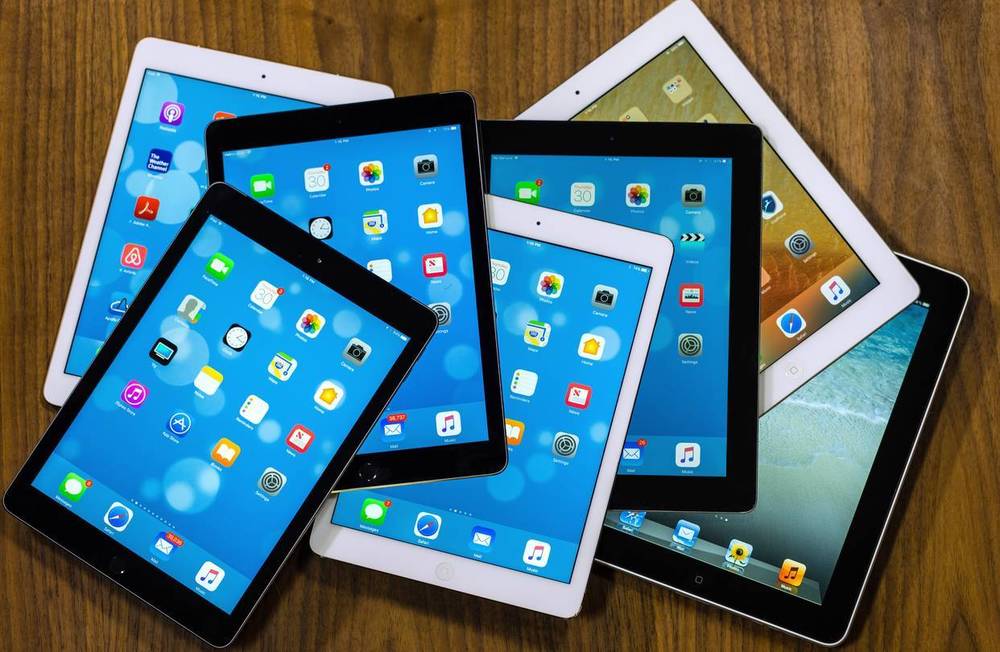
This area gathers the work connected with language access, storytelling, iPads, sign language exchange and shared classroom resources.
Focus
Building practical resources through relationship.
Challenge 2 focuses on the everyday tools that help language and literacy grow: shared stories, signed video resources, classroom technology, teacher collaboration and peer-to-peer exchange.
The existing Laos Mission Hub remains available as the interactive working space for these resources.
01
Language Access
Understanding the impact of limited early language access and supporting pathways into visual, signed and multimodal communication.
When Deaf children have little or no access to a fully accessible language in the early years, the impact can extend far beyond communication. It can affect cognitive development, relationships, school readiness, confidence and later access to literacy and learning.
Early access to language is not a luxury — it is foundational to learning, identity, belonging and human connection.
02
Stories & Literacy
Developing Language Experience Readers, Social Stories and Video Stories from real experiences and shared classroom life.
These resources help students connect language with lived experience. They support shared storytelling, sequencing, vocabulary, emotional understanding, community participation and identity.
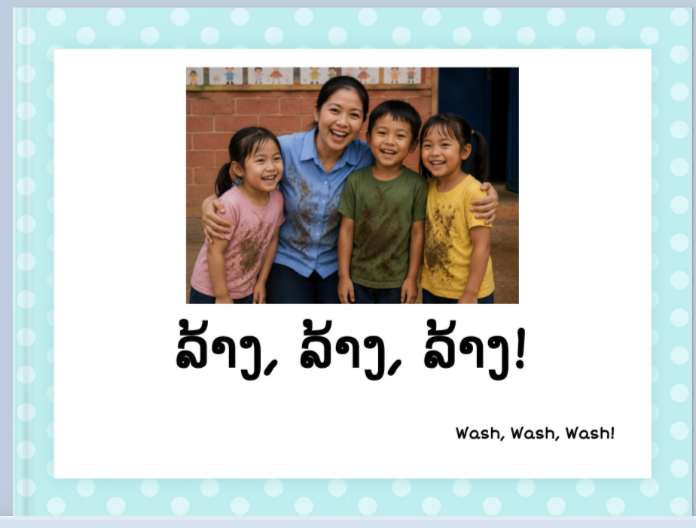
Language Experience Readers (LERs)
Wash, Wash, Wash!
Language Experience Readers build literacy from meaningful shared experiences, helping students revisit events, sequence ideas and connect vocabulary with identity and classroom life.
Social Stories support routines, transitions, emotional understanding and community participation through clear, personalised language and visual storytelling.
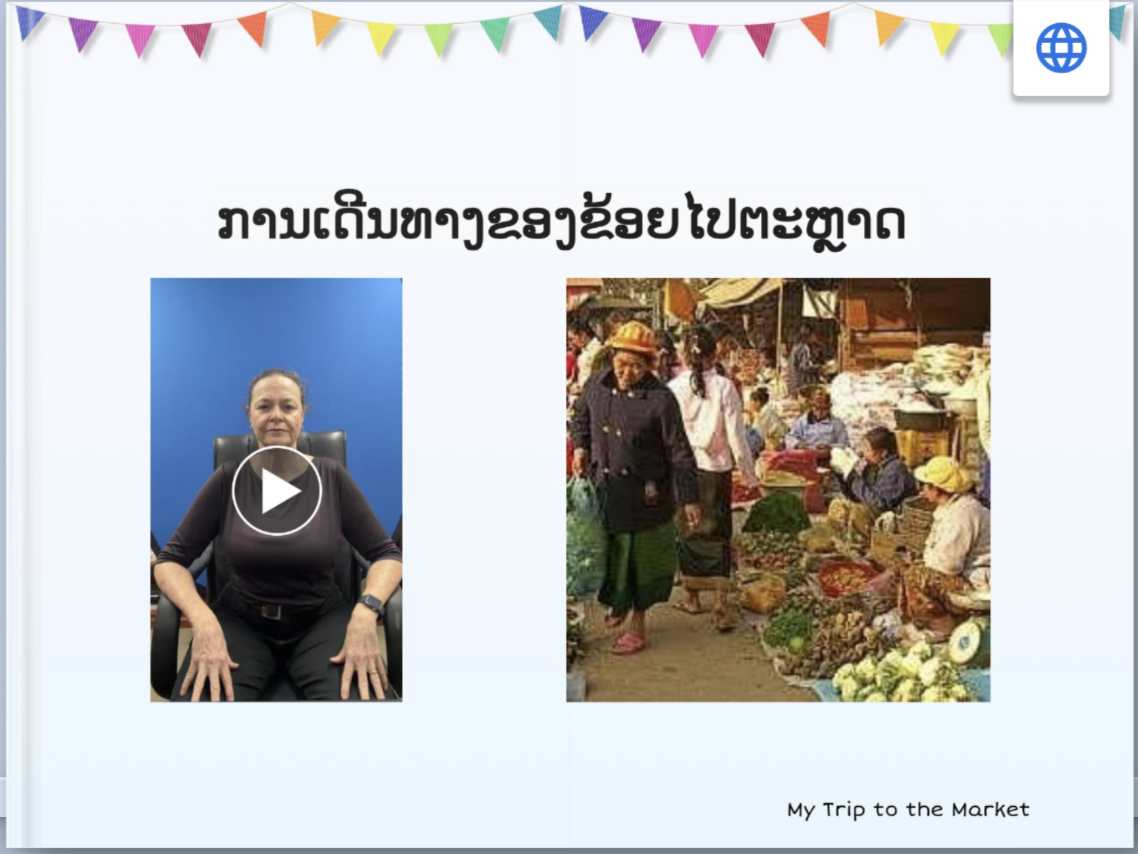
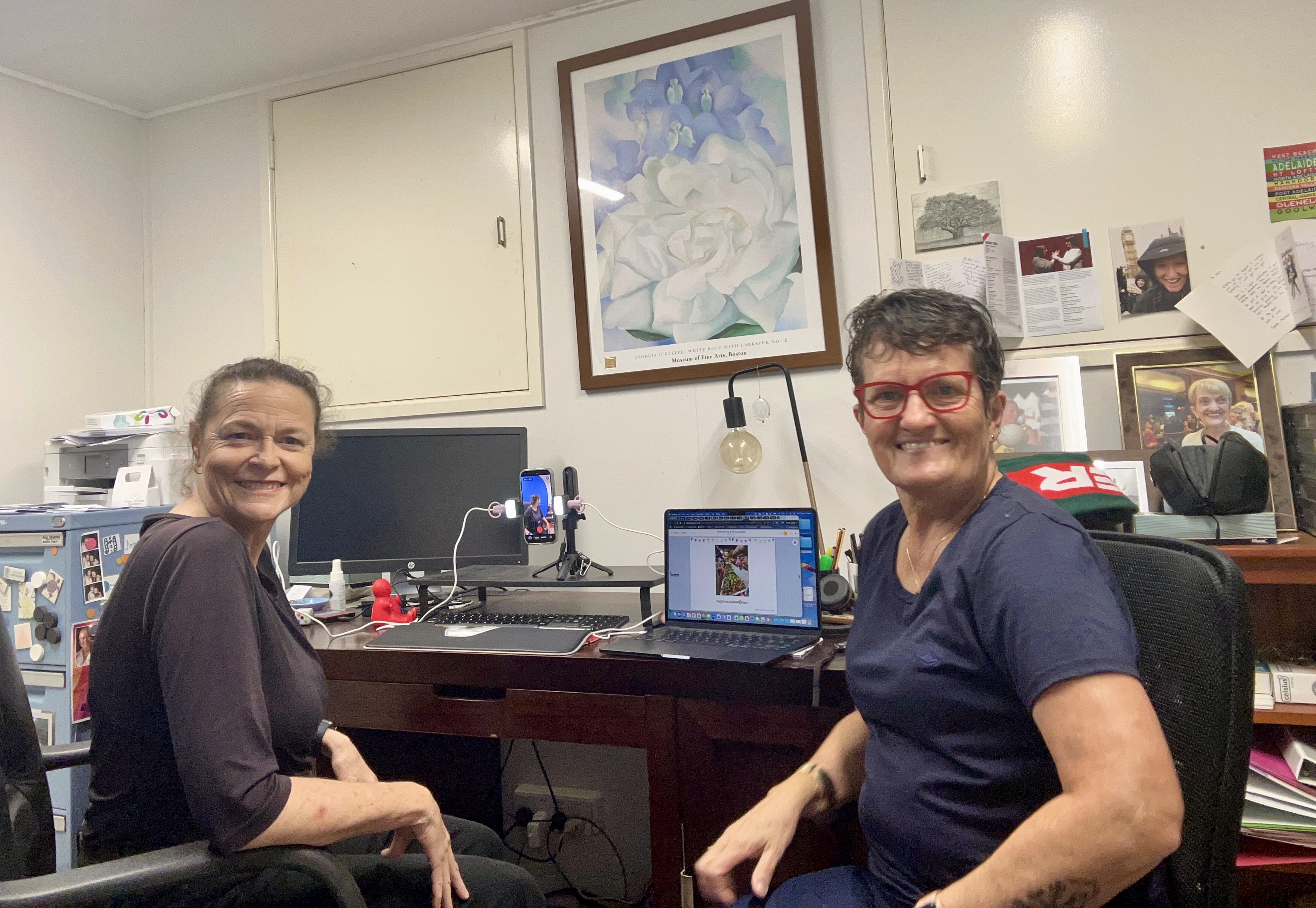
Behind the storyProject Language Consultant Julie and project collaborator Julie Lyons preparing the signed videos for My Trip to the Market
03
Teacher Capacity
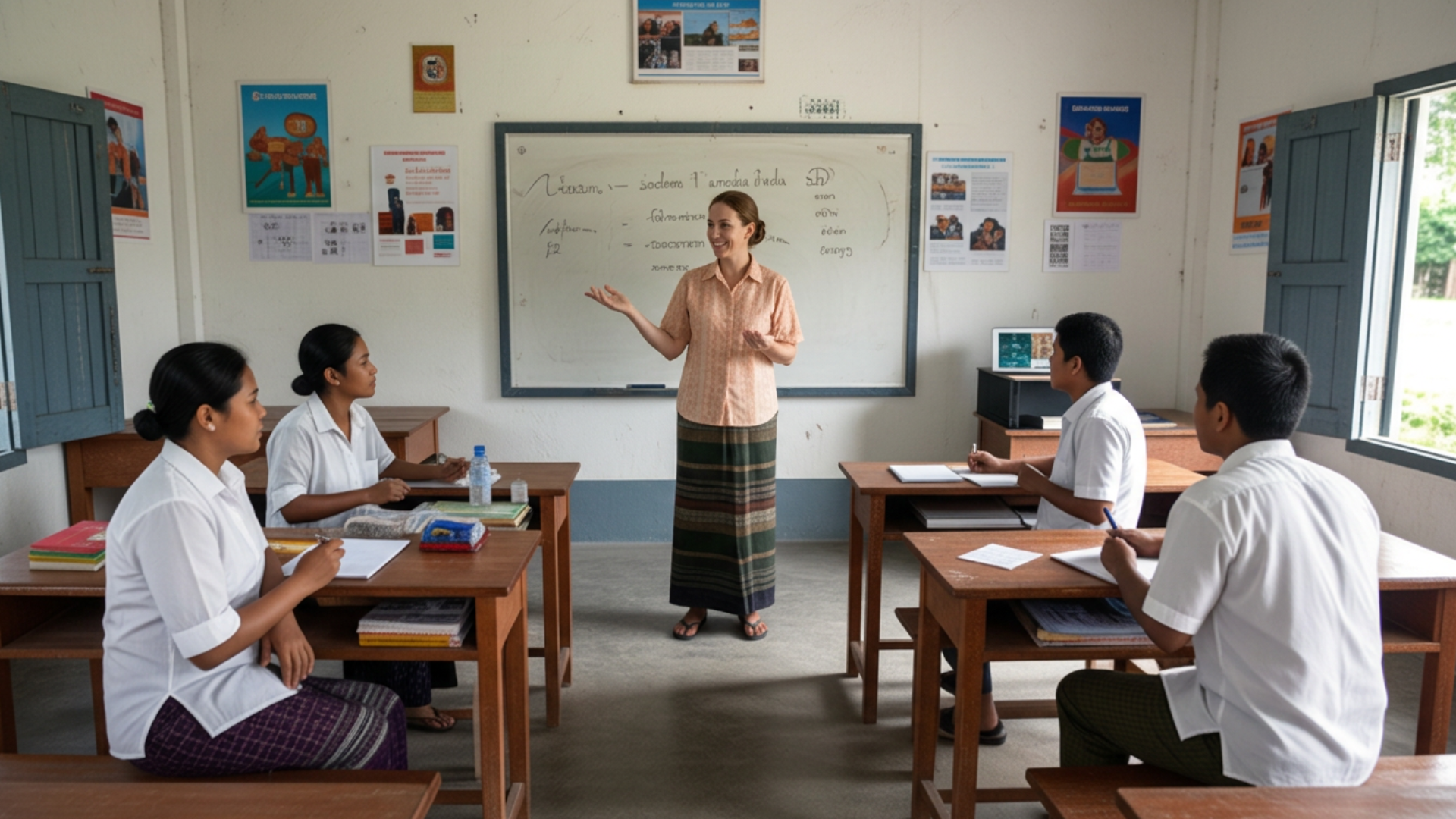
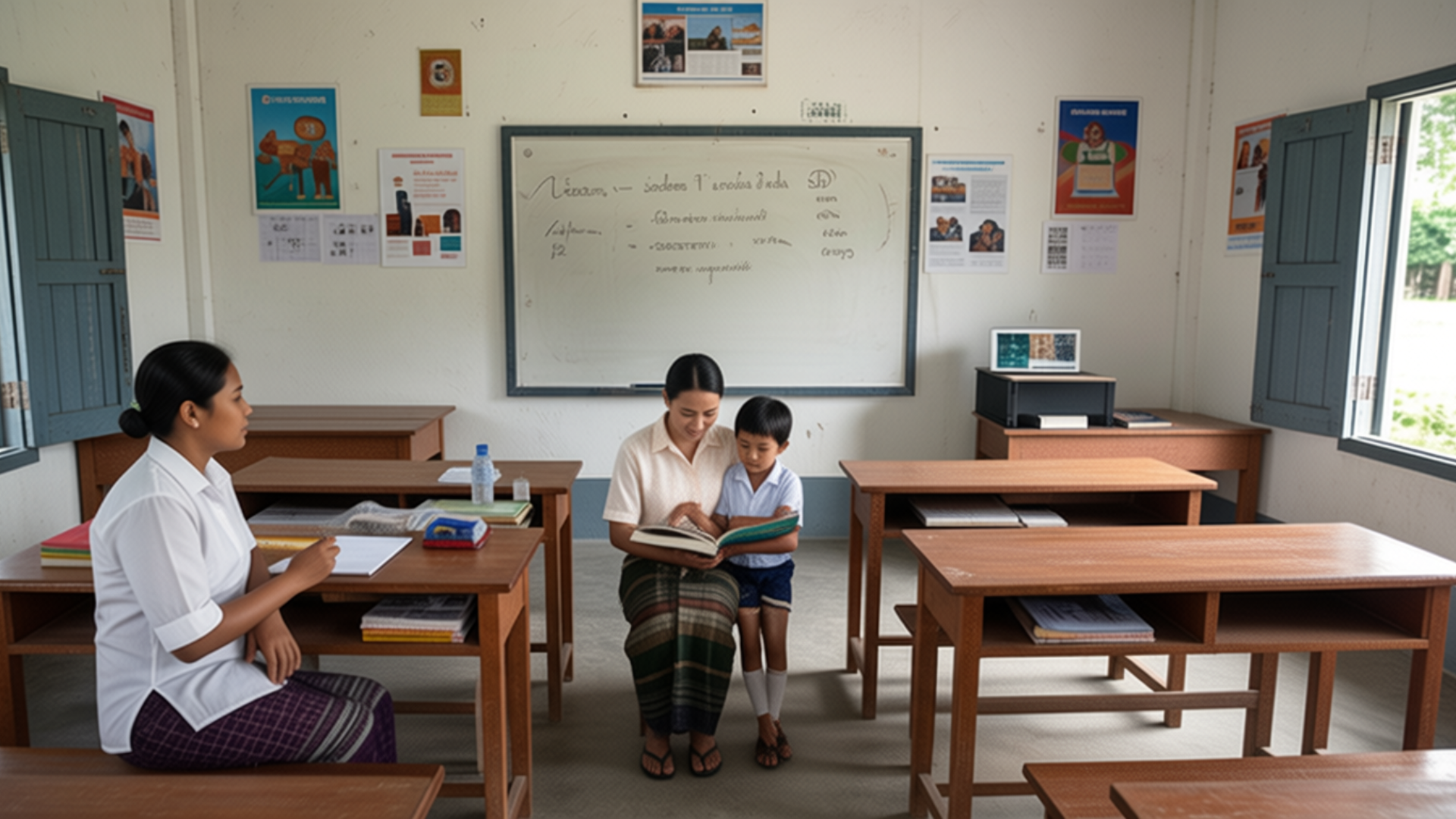
Supporting local Laos teachers to develop practical, sustainable classroom resources that can continue beyond the visiting mission team.
This reflects the Peuples et Montagnes du Mékong (PEMM) philosophy of building local capacity through partnership, collaboration and shared learning, rather than creating dependence on outside support.